
The Allure of Chance and Uncertainty
The psychology of gambling is deeply rooted in the allure of chance and uncertainty. Many individuals are drawn to casinos because they present opportunities for sudden wealth and excitement. The possibility of winning big with a single bet triggers a rush of adrenaline, often leading to a compulsion to play. This thrill associated with the unknown can be intoxicating, fostering a sense that fortune may favor them in their next attempt. Players often look for safe online casinos canada to experience this excitement in a secure environment.
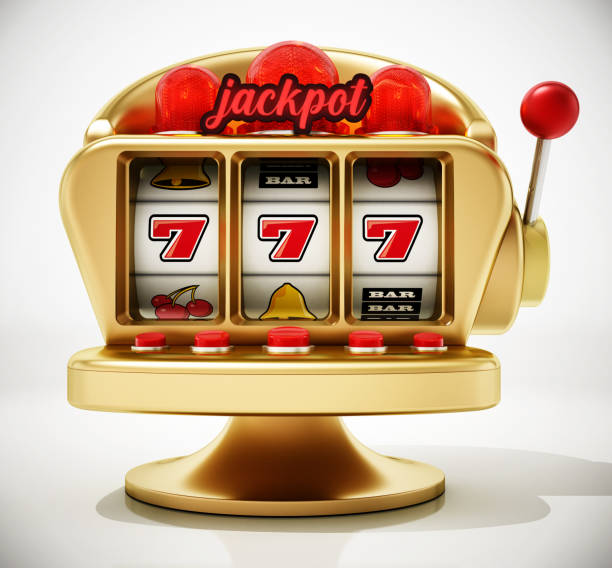
Moreover, the design and ambiance of casinos further amplify this psychological draw. Bright lights, sounds of slot machines, and the vibrant chatter of fellow gamblers create an engaging environment that encourages players to immerse themselves in the experience. This sensory overload can lead to a temporary escape from daily life, making the gambling experience more enticing.
The Role of Reward Systems in Gambling
Psychological experts suggest that gambling taps into the brain’s reward system, much like addictive substances. The intermittent reinforcement of winning, where players experience sporadic wins amidst losses, is particularly compelling. This randomness can enhance the thrill of the game, as players are motivated to continue playing in hopes of another reward. In essence, the brain’s release of dopamine during a win fosters the desire to chase that feeling repeatedly.
Additionally, the concept of ‘loss aversion’ plays a significant role. Many gamblers continue to play, hoping to offset their losses. This psychological phenomenon can lead to an escalation of play, as individuals become increasingly determined to win back what they have lost, potentially leading to detrimental consequences.
The Impact of Social Interaction
Casinos are not merely venues for isolated play; they are social hubs where individuals can connect and engage with others. The communal atmosphere of gaming tables and slot areas can create a sense of belonging, appealing to those seeking social interaction. For many, gambling is not just about the game but also about the relationships they form while playing.
Furthermore, peer influence can significantly impact gambling behavior. Witnessing friends win or celebrating victories together can enhance the enjoyment factor, leading individuals to partake in practices they might have otherwise avoided. This social reinforcement often contributes to the ongoing attraction to casinos for many players.
The Influence of Environment and Design
The environment in which gambling takes place plays a crucial role in the psychology behind it. The strategic layout of casinos is designed to disorient players, encouraging them to stay longer and play more. The absence of clocks, the lack of windows, and the enticing aromas of food and drink serve to create an atmosphere that promotes prolonged engagement.
Additionally, casinos employ techniques such as free drinks and generous rewards programs to enhance the player experience, ultimately leading to increased gambling frequency. As players feel pampered and valued, they may lose track of their spending, increasing the likelihood of excessive gambling.

Exploring Online Gambling and Security Measures
With the rise of online gambling, the psychological factors driving individuals to play remain relevant. Online casinos offer the same elements of chance, reward, and social interaction but through a digital platform. However, the security of these platforms is of utmost importance to ensure a safe gambling experience. Websites often implement strict access restrictions and security measures to protect user data and prevent fraud.
For users who encounter blocks or access issues, understanding the reasons behind these measures is crucial. Learning how to navigate these challenges can enhance their overall online gambling experience while maintaining a secure environment. Ultimately, a focus on security not only protects players but also fosters a trustworthy gambling atmosphere, encouraging continued engagement.